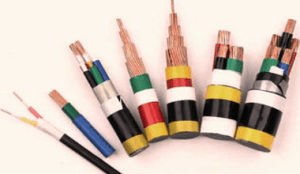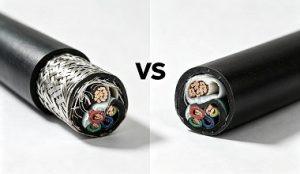
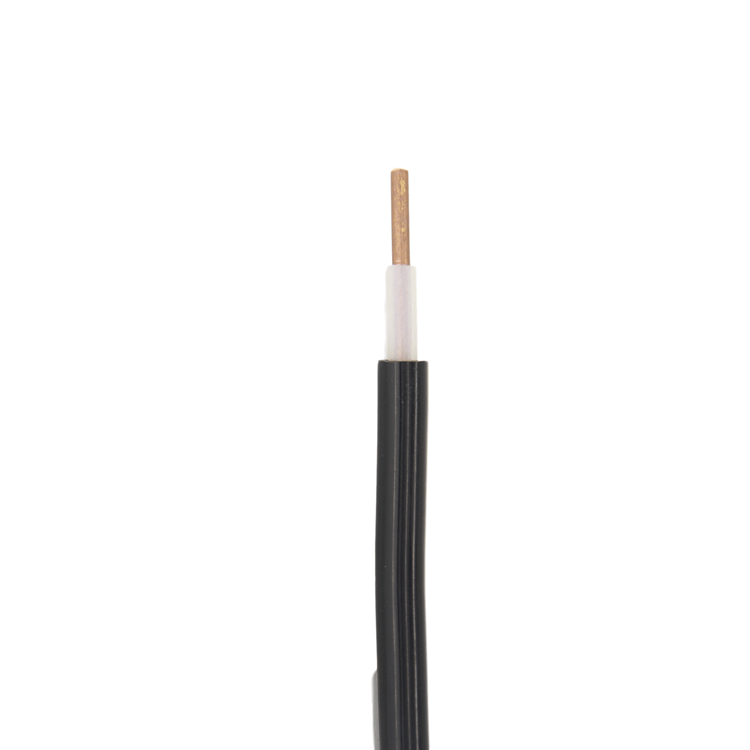
One conductor within a single insulation layer.
Rigid, for fixed installations.
Used in switchboards, power transmission, and applications requiring one electrical path.
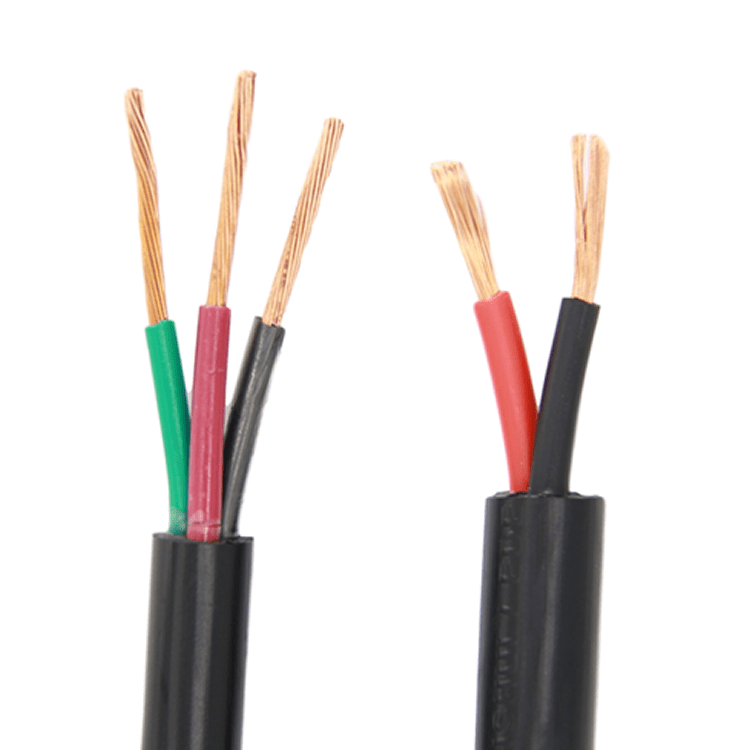
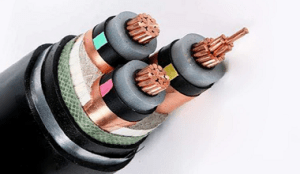
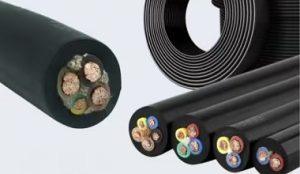
Two or more conductors within one sheath.
Flexible, can bend and transmit multiple circuits simultaneously.
Used in motors, HVAC systems, control panels, and building wiring.
| Decision Factor | Choose Single-Core | Choose Multi-Core |
| Current Load | High current, high power | Low current, multiple signals |
| Installation | Fixed, straight runs | Bending, movement, complex routes |
| Run Length | Long distance (fewer splices) | Short distance |
| Space | Ample space available | Compact spaces, efficient routing |
| Application | Main circuits, transmission, switchgear | Control, building wiring, equipment |
| Budget | Low unit price priority | Low total installed cost priority |
Main power transmission, switchgear internal wiring, long-distance transmission (longer drum lengths, fewer splices), large cross-section high-power applications (≥10mm² in energy chains), cost-sensitive projects (lower production cost).
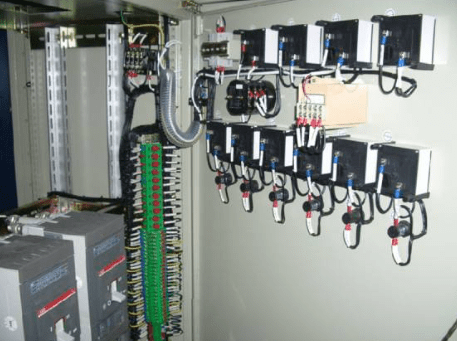
Building/residential wiring (integrated power + lighting + control), control circuits/signal transmission, applications requiring bending/movement, space-constrained installations, control signals requiring EMI protection (shielded designs).
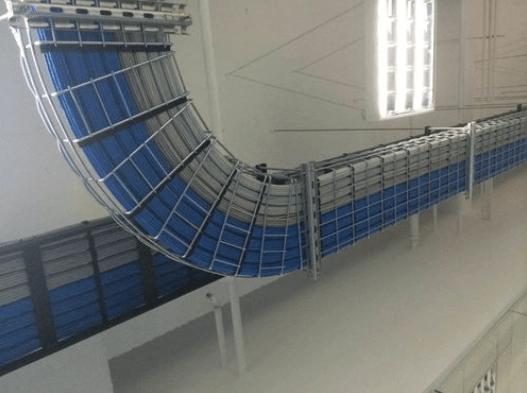
If multi-core is selected, the number of cores must also be determined:
| Core Count | Configuration | Typical Application |
| 2-Core | Line + Neutral | Single-phase AC power, DC power supply circuits |
| 3-Core | 3 Phases | Three-phase AC power, industrial motors |
| 4-Core | 3 Phases + Neutral | Three-phase distribution with neutral |
| 5-Core | 3 Phases + Neutral + Ground | Control/signal applications, intelligent lighting systems |
Multi-core cables have lower current-carrying capacity because bundled conductors generate more heat. A 500kV submarine cable study found three-core ampacity can be up to 28.96% lower than single-core under certain conditions.
Single-core cables are economically feasible only when cross-section reaches 800mm² or above. Below this, three-core generally offers better overall economy.
From 10mm², switch to single-core in drag chain applications. Benefits: ~30% cost reduction, 50%+ space savings, longer service life.
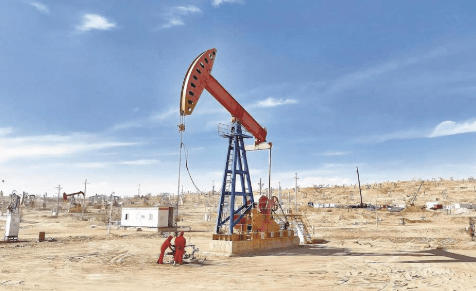
Project: 50 MVA + 66 MVA power distribution, Canada
Original design: 27 single-core cables (25kV), 2 trenches (12.5ft & 10ft wide), 54 splices.
Problem: Trenching costs exceeded cable costs. 54 splices = high failure risk. Installation extremely time-consuming.
Multi-core solution (Anixter redesign): 7 multi-core cables, zero splices, 1 trench (4ft wide).
Results: $2M saved, 65% less installation time, 23% cable cost savings, higher reliability.
Procurement insight: Total installed cost matters more than cable unit price.
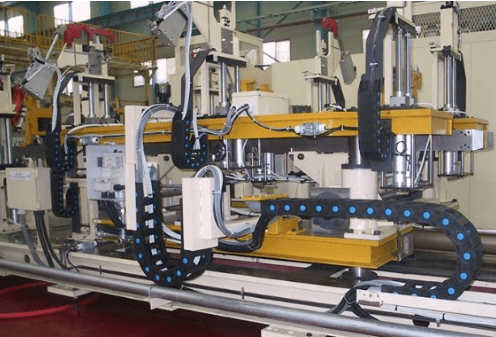
Project: chainflex® motor cable alternative, industrial automation
Original design: Multi-core motor cable (4G10, 18.5mm OD, 138.75mm bend radius).
Problem: At ≥10mm², multi-core is no longer optimal for cost and space.
Single-core solution: 3×10 cable, 8.5mm OD, 63.75mm bend radius.
Results: ~30% cost reduction, 50%+ space savings, better durability.
Procurement insight: For ≥10mm² energy chain applications, single-core is the smarter choice.
| Calgary Oil Sands | igus Energy Chain | |
| Switch Direction | Single-Core → Multi-Core | Multi-Core → Single-Core |
| Driver | Reduce trenches, eliminate splices | Lower cost, save space |
| Key Benefit | $2M saved, 65% time reduction | ~30% cost, 50%+ space |
| Selection Logic | Total cost of ownership | Large cross-section optimization |
Single-core cables used in AC systems must not use steel armour. The alternating current generates magnetic fields that induce eddy currents in ferromagnetic armour, causing energy loss, overheating, and cable failure. If mechanical protection is required, specify non-magnetic armour (AWA — Aluminium Wire Armour) .
Multi-core cables require derating because multiple conductors bundled together generate more heat and have less surface area for dissipation. The ampacity reduction can range from 10% to 20% compared to single-core cables of the same cross-section, depending on installation conditions. Buyers must ensure derating factors are applied when sizing multi-core cables for high-current applications.
| Cost Component | Single-Core | Multi-Core |
| Cable Material Cost | Lower | Higher |
| Installation Labor | Higher (multiple pulls) | Lower (single pull) |
| Trenching/Duct Space | Higher | Lower |
| Splice Cost | More splices | Fewer/zero splices |
| Maintenance Cost | Higher | Lower |
Key insight from Calgary: Trenching costs can outweigh cable costs. Design decisions must consider total installed cost.
Lower unit price, but higher installation costs can make multi-core more economical overall.
For high-current main circuits, multi-core thermal constraints become a real limiting factor.
Flexibility is determined by conductor stranding (Class 5/6), not core count.
Steel armoured single-core is not permitted — non-magnetic armour (AWA) is required for AC systems.
Step 1: Current Load — High → Single-Core; Low → Multi-Core
Step 2: Installation — Fixed → Single-Core; Bending/Moving → Multi-Core
Step 3: Space — Ample → Single-Core; Compact → Multi-Core
Step 4: System — Simple → Single-Core; Complex → Multi-Core
For cable selection support or sample requests:
Tel: +86-371-60547601
WhatsApp: +8613598056591
Email: [email protected]